
Frequent urination in pregnancy usually starts around week 6 to 8, when rising pregnancy hormones increase blood flow to the kidneys and the kidneys start filtering more fluid into the bladder. For most women, it is one of the earliest noticeable symptoms — often arriving before a missed period is confirmed — and it follows a predictable pattern: worse in the first trimester, easier in the second, and back again in the third. Updated 2026: the pattern below reflects current guidance from the American College of Obstetricians and Gynecologists (ACOG) and the National Health Service (NHS).
In short, frequent urination in pregnancy is normal, it is not caused by drinking too much water, and cutting back on fluids will not fix it. What matters is knowing how much is normal, why it changes by trimester, and which symptoms mean a urinary tract infection (UTI) rather than ordinary pregnancy frequency.
Why Does Frequent Urination Start So Early in Pregnancy?
Frequent urination starts early in pregnancy because of hormones, not because of the size of the baby. In the first weeks, the pregnancy hormone human chorionic gonadotropin (hCG) rises sharply, increasing blood flow to the pelvic area and kidneys. At the same time, blood volume begins to climb toward a 30 to 50 percent increase over pre-pregnancy levels, and the kidneys filter that extra blood — producing more urine. The uterus at 6 weeks is still small, so pressure on the bladder is not yet the main cause; the hormonal and kidney changes are.
This is why the symptom can appear before a bump exists. hCG roughly doubles every 48 hours in early pregnancy, peaking around week 10, which is also when many women notice frequency at its worst. If you are tracking your early weeks, the week-by-week pregnancy guide shows how symptoms typically shift from week to week, and an hCG level checker can put your own hCG numbers in context.
When Does Frequent Urination Start in Pregnancy, Week by Week?
Frequent urination typically starts at week 6 to 8 of pregnancy, eases noticeably in the second trimester, and returns in the third trimester. The timeline below is the usual pattern, though individual timing varies by a few weeks in either direction:
- Weeks 6 to 8: Frequency begins. Hormonal changes and increased kidney filtration are the main drivers. Many women first notice extra night-time trips to the bathroom.
- Weeks 9 to 12: Frequency often peaks in the first trimester as hCG reaches its peak around week 10. Needing to urinate 8 to 10 times a day, plus once or twice at night, is common.
- Weeks 13 to 27: Frequency usually eases. The uterus rises out of the pelvis into the abdomen around week 12 to 14, taking direct pressure off the bladder, and hCG falls from its peak.
- Weeks 28 to 35: Frequency gradually returns as the baby grows and the uterus expands upward and outward, reducing bladder capacity again.
- Weeks 36 to 40: Frequency often becomes most intense. When the baby's head drops into the pelvis (lightening), usually in the last few weeks before birth, pressure on the bladder increases sharply.
Not every pregnancy follows this curve exactly. Women carrying twins, women with a smaller bladder capacity, and women who were already frequent urinators before pregnancy may notice it earlier and more intensely. The pregnancy symptoms week-by-week guide covers the other symptoms that tend to arrive alongside frequency in each trimester.
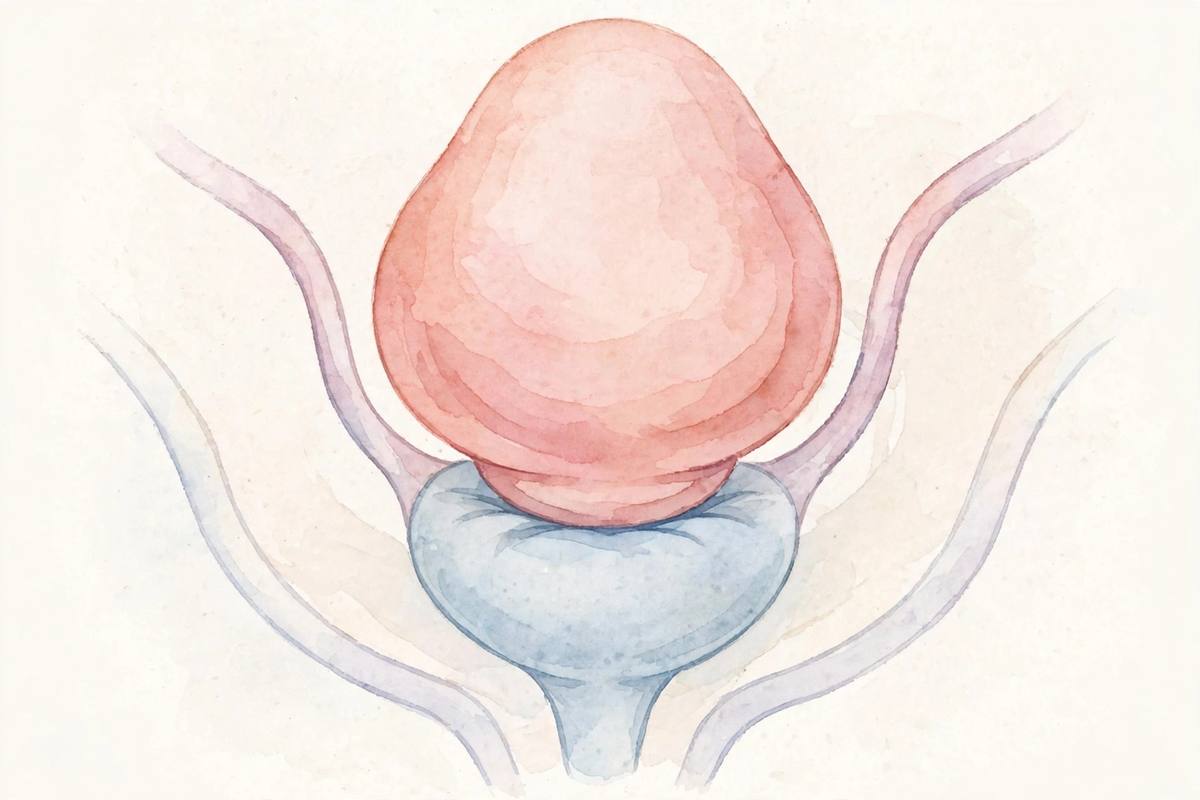
How Often Is Normal? Frequency, Night Urination, and Urgency
Normal urination frequency in pregnancy is roughly 8 to 10 times during the day, with 1 to 2 trips at night. Before pregnancy, most adults urinate 6 to 8 times in 24 hours, so pregnancy adds roughly 2 extra trips a day on average — but the range is wide, and a day with 12 trips is not automatically a problem if you are drinking well and have no pain.
Night urination, called nocturia, deserves its own note. Waking once or twice a night to urinate is normal in pregnancy, especially in the first and third trimesters. Waking 3 or more times a night, every night, is worth mentioning at your next prenatal visit — not because it is dangerous by itself, but because it can signal a UTI, gestational diabetes, or simply too much fluid late in the evening.
Urgency is different from frequency. Frequency means needing to go more often; urgency means feeling you must go right now and struggling to hold it. Mild urgency is common in late pregnancy, when a full bladder has little room to expand. Sudden, severe urgency with pain, or leaking before you reach the bathroom, is worth discussing with your provider — pelvic floor exercises can help, and the cause is worth ruling out.
A worked example: counting your own frequency
A simple 24-hour count gives you a baseline. One woman at 9 weeks pregnant recorded 10 daytime trips and 2 night trips on a day she drank about 2.3 litres of fluid — the fluid intake the Institute of Medicine recommends for pregnant women. The same woman at 20 weeks recorded 7 daytime trips and 1 night trip on similar fluids. The difference was not her drinking; it was the trimester. If your count jumps suddenly by 4 or more trips a day without a change in fluids, or if trips come with new pain, that change — not the absolute number — is the signal to call.
Frequent Urination vs a Urinary Tract Infection
Frequent urination in pregnancy is usually painless; a urinary tract infection usually is not. The distinction matters because UTIs are more common in pregnancy — the urinary tract relaxes under progesterone, urine flows more slowly, and bacteria have more time to grow — and untreated UTIs in pregnancy can progress to kidney infection. ACOG recommends screening for asymptomatic bacteriuria (bacteria in the urine without symptoms) at the first prenatal visit, precisely because infection can be silent.
Call your provider promptly if frequency comes with any of these:
- Burning or stinging when you urinate
- Pain in the lower abdomen, back, or sides
- Fever, chills, or feeling generally unwell
- Urine that is cloudy, foul-smelling, or bloody
- A strong urge to urinate but only a few drops coming out
- New leaking or incontinence that was not there before
Cloudy urine alone has several harmless causes, including concentrated urine and vaginal discharge mixing with the sample, which is why the question of whether cloudy pee is a sign of pregnancy comes up so often. But cloudy urine plus burning or fever should be checked the same day, not watched. A simple urine test at a prenatal visit can confirm or rule out infection in minutes.
What Helps: Practical Tips That Actually Reduce Trips
Cutting back on water is not the answer — dehydration in pregnancy raises the risk of headaches, constipation, and UTIs, and it does not reduce urine output much, because the kidneys still have to clear the same waste. These strategies work better:
- Front-load your fluids. Drink most of your water in the morning and afternoon, and taper in the 2 hours before bed. You still get your full daily intake; you just shift the timing away from the night.
- Lean forward when you urinate. In late pregnancy, leaning slightly forward on the toilet helps the bladder empty more completely, so you are less likely to feel the urge again 10 minutes later. This technique is sometimes called double voiding: stand, sit again, and try once more.
- Limit bladder irritants in the evening. Caffeine is a mild diuretic and a bladder irritant, so an evening coffee or cola can add a night trip. A pregnancy caffeine calculator can show how your daily total stacks up against the 200 mg guideline, though caffeine is not the only factor.
- Do not hold it in. Holding urine for hours increases UTI risk and stretches the bladder. Go when you feel the urge, especially in the first trimester when infection risk is already elevated.
- Try pelvic floor exercises. Kegels strengthen the muscles that support the bladder and urethra. Done daily — 3 sets of 10 squeezes, holding each for 5 to 10 seconds — they reduce urgency and leaking, particularly in the third trimester and after birth.
One caution: never restrict fluids before a long trip or a night out to "avoid" bathroom stops. The dehydration risk outweighs the convenience, and concentrated urine irritates the bladder, which can make urgency worse rather than better.
Does Frequent Urination Mean Anything About the Baby?
Frequent urination does not predict the baby's sex, size, or health, and having little or no frequency does not mean anything is wrong either. Some women barely notice it; others plan their day around bathrooms from week 6. Both are normal, and the difference comes down to bladder capacity, fluid habits, hormone sensitivity, and the baby's position — not to how well the pregnancy is going.
What frequency can signal is worth repeating: a sudden change in pattern, pain, fever, or blood in the urine is a reason to call, not a reason to worry in silence. The same rule applies to the other early symptoms that overlap with frequency — cramping in early pregnancy and pregnancy spotting each have their own normal-versus-warning-sign lines, and learning those lines early in pregnancy saves a lot of anxious nights.
The Bottom Line on Frequent Urination in Pregnancy
Frequent urination in pregnancy starts around week 6 to 8, driven first by hormones and kidney changes and later by the growing uterus pressing on the bladder. It eases in the second trimester for most women and returns in the third, and a daytime frequency of 8 to 10 trips with 1 to 2 night trips is squarely normal. Stay hydrated, front-load fluids, lean forward to empty fully, and treat pain, fever, or bloody urine as a same-day call to your provider — not as something to wait out.
If you want to see where you are in the pattern, the week-by-week pregnancy guide maps the symptoms expected at your current week, and a pregnancy test timing calculator can confirm the earliest reliable test date if you are still in the very early weeks.